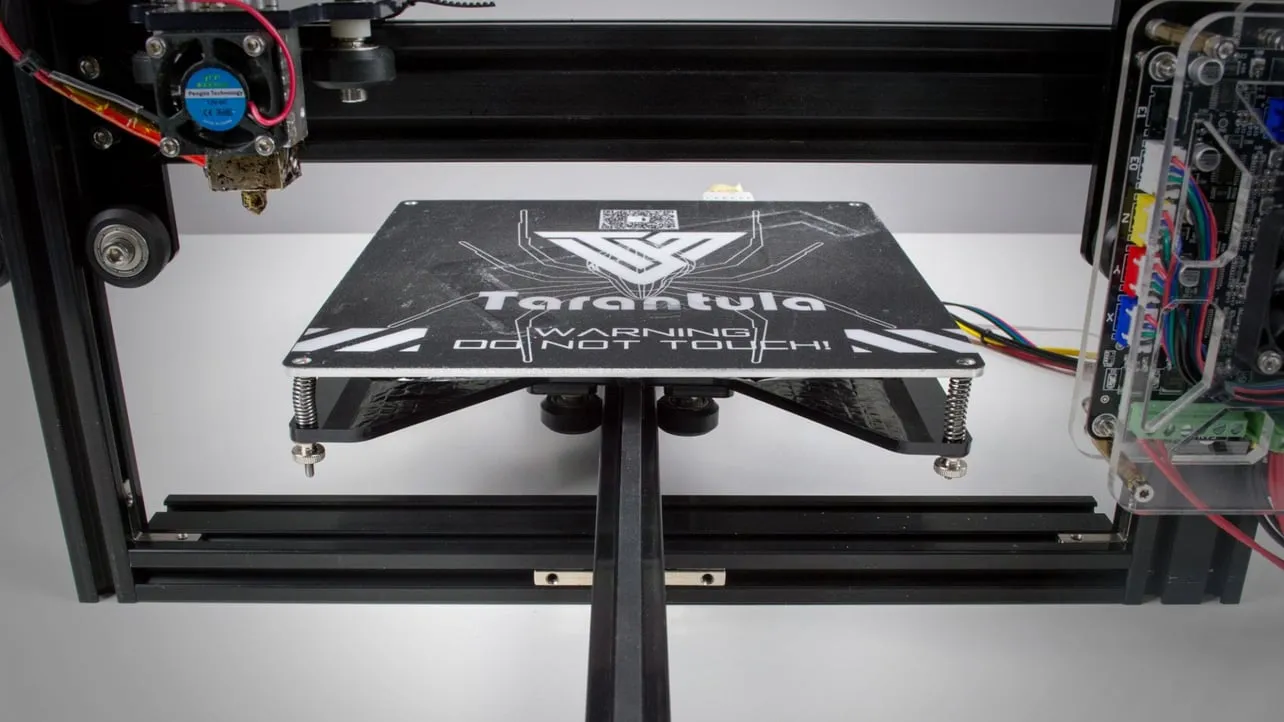
What is a Tevo Tarantula Power Supply Cover
The Tevo Tarantula is a popular 3D printer known for its affordability and ease of use. However, like any 3D printer, it requires careful handling and maintenance to ensure optimal performance and safety. One critical aspect of this is the power supply, which is responsible for providing the necessary electricity to operate the printer. A Tevo Tarantula power supply cover is a protective enclosure designed to encase the power supply unit (PSU) of your 3D printer. This cover serves multiple important functions, significantly enhancing the safety, reliability, and overall lifespan of your Tevo Tarantula.
Importance of a Power Supply Cover
Installing a power supply cover on your Tevo Tarantula is a proactive step towards ensuring a safer and more reliable 3D printing experience. The benefits extend beyond mere aesthetics and contribute to the longevity and performance of your printer. This seemingly simple addition can prevent electrical hazards, protect against environmental contaminants, and even improve the overall look of your setup, making it an essential upgrade for any Tevo Tarantula owner. Considering the relatively low cost and ease of installation, there’s no reason not to incorporate a power supply cover into your 3D printing setup.
Preventing Electrical Hazards
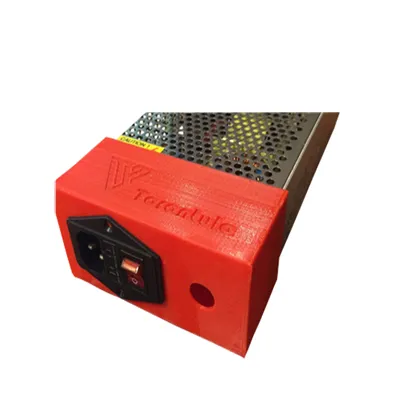
Perhaps the most crucial function of a power supply cover is to prevent electrical hazards. The power supply unit contains high-voltage components that can be dangerous if exposed. The cover acts as a barrier, shielding users from accidental contact with these components. This is particularly important in environments where children or pets may be present. By enclosing the power supply, the cover significantly reduces the risk of electric shock and short circuits, making your 3D printing setup much safer. The cover ensures that the power supply is adequately insulated, preventing any accidental contact or arcing that could lead to injury or damage to the printer or surrounding equipment.
Protecting from Dust and Debris
3D printing environments can be dusty, with particles from filaments and the surrounding air accumulating over time. Dust and debris can be detrimental to the power supply, potentially causing malfunctions or reducing its lifespan. The power supply cover acts as a shield, preventing dust and debris from entering the PSU and interfering with its internal components. This protection is particularly important in workshops or areas where there’s a lot of activity and airborne particles. A clean power supply operates more efficiently and reliably, reducing the chances of unexpected shutdowns and prolonging the life of the power supply unit.
Improving Aesthetics
While functionality is paramount, a power supply cover can also enhance the aesthetic appeal of your Tevo Tarantula. Many covers are designed to be sleek and stylish, complementing the overall look of your 3D printer. This can be especially important if your printer is located in a visible area, such as a home office or workshop. A well-designed cover can create a more professional and polished appearance, making your 3D printing setup more visually appealing. Various cover designs are available, allowing you to customize your printer and showcase your personal style.
Gathering Your Materials
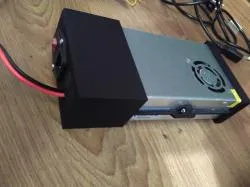
Before you begin the installation process, it’s essential to gather all the necessary materials. This ensures a smooth and efficient setup, preventing any delays or frustration. You’ll need the power supply cover itself, which you can purchase online or, if you’re feeling ambitious, 3D print. Additionally, you’ll need the appropriate screws or fasteners to secure the cover to the printer. Make sure you have all the necessary tools ready before starting the installation, as this will help you avoid unnecessary interruptions and ensure a successful outcome. Having everything prepared in advance streamlines the installation process, allowing you to focus on the task at hand.
Tools You’ll Need
The tools required for installing a Tevo Tarantula power supply cover are relatively simple and typically include a screwdriver set (specifically, the size of the screws used on your printer and cover), a pair of pliers, and potentially a small wrench. Having a magnetic screwdriver can be beneficial, as it helps to keep the screws in place during installation, especially in tight spaces. If you are using a 3D printed cover, you might need a deburring tool or file to clean up any rough edges. Ensure you have all the necessary tools within reach to avoid any interruptions during the installation process, and consider some lighting to improve visibility.
Cover Materials Options
Power supply covers are usually made from various materials, each with its own advantages. The most common material is plastic, either injection-molded or 3D printed. Plastic covers are lightweight, inexpensive, and easy to work with. Metal covers, such as those made from aluminum or steel, offer superior durability and protection against potential hazards. However, they can be more expensive and may require more complex installation. When selecting a cover, consider factors such as durability, heat resistance, and ease of installation. Choose a material that suits your specific needs and environment to ensure optimal protection and performance.
Step-by-Step Installation Guide

Installing a power supply cover is a straightforward process. However, it’s essential to follow these steps carefully to ensure a safe and secure installation. Always disconnect the printer from the power source before beginning, and take your time to avoid damaging any components. The installation process will vary slightly depending on the design of your chosen cover, but the general steps remain the same. By following these instructions meticulously, you can protect your power supply and increase the longevity of your 3D printer.
Preparing the Printer
Before you begin, disconnect your Tevo Tarantula from the power outlet to ensure safety. Place the printer on a stable surface and gather all your tools and the cover. It’s helpful to have a well-lit workspace to avoid any issues during the process. Locate the power supply unit on your printer. It’s usually a rectangular box, often located at the bottom or side of the printer. Ensure the area around the power supply is clear to provide easy access. This initial preparation is essential for a successful and safe installation process.
Installing the Cover
Carefully align the power supply cover with the power supply unit, ensuring that it fits properly. The cover should enclose the PSU without obstructing any vents or ports. Secure the cover using the appropriate screws or fasteners, as recommended by the cover’s manufacturer. Do not overtighten the screws, as this could damage the cover or the power supply unit. Ensure that all screws are securely fastened and that the cover is firmly in place. If your cover requires any additional steps, such as attaching clips or brackets, follow the manufacturer’s instructions precisely.
Securing the Cover

Once you have positioned the cover, use the provided screws or fasteners to secure it firmly to the power supply unit. Ensure that all screws are properly tightened to prevent the cover from coming loose during printer operation. Make sure the cover is securely attached to the printer frame if applicable. Check that the cover doesn’t interfere with any other components or cables. Proper securing is crucial for safety and to ensure that the cover remains in place, providing continuous protection to the power supply unit. If you are uncertain about any step, consult the cover’s instructions or seek assistance from someone experienced with 3D printer maintenance.
Testing and Troubleshooting
After completing the installation, it is essential to test the setup thoroughly. This ensures that the cover is properly installed and that the power supply unit is functioning correctly. Carefully review these steps to guarantee a safe and functional setup. Proper testing can identify potential problems early and save you time and money on repairs.
Checking for Proper Fit
Once the cover is installed, check to make sure it fits snugly and does not interfere with any other components on the printer. Inspect the cover’s alignment with the power supply unit and ensure that there are no gaps or loose sections. Verify that the cover does not obstruct any vents, which are crucial for heat dissipation. A proper fit is essential to ensure that the power supply unit remains protected and that the printer operates safely and efficiently. If you find any issues with the fit, make the necessary adjustments or contact the cover manufacturer for guidance.
Ensuring Safe Operation

After confirming the fit, reconnect the printer to the power outlet and turn it on. Observe the printer’s operation for any unusual behavior, such as strange noises, overheating, or electrical issues. If you notice any problems, immediately disconnect the power and inspect the installation. Ensure that all connections are secure and that the cover is not interfering with any components. It is essential to ensure that the printer operates safely after installing the power supply cover to avoid any potential hazards. If you are unsure about any aspect of the operation, it’s best to consult with a qualified technician or the printer’s manufacturer.
Maintenance and Care
Once the power supply cover is installed, regular maintenance and care are essential to ensure its continued effectiveness. This includes periodic cleaning and inspections to maintain the cover’s performance and protect the power supply unit. Following these simple steps will help extend the life of your cover and ensure the safety and reliability of your 3D printer.
Cleaning the Cover
Over time, the power supply cover can accumulate dust, debris, and other contaminants. Regularly cleaning the cover is essential to maintain its appearance and ensure that it functions correctly. Use a soft, dry cloth or a brush to remove any dust or debris from the cover’s surface. Avoid using harsh chemicals or abrasive cleaners, which could damage the cover’s finish. Regular cleaning prevents the build-up of dust and debris, maintaining optimal performance and protecting the power supply unit. For more stubborn stains, you can use a mild soap solution, but always dry the cover thoroughly before reinstalling it.
Regular Inspections

In addition to cleaning, it is essential to conduct regular inspections of the power supply cover. Check for any signs of damage, such as cracks, dents, or loose screws. Make sure the cover remains securely attached to the power supply unit and does not interfere with any other components. Regularly inspect the cover to detect any potential issues early on, preventing them from escalating into more significant problems. If you notice any damage or if the cover becomes loose, replace it immediately to ensure the continued protection of the power supply unit. Routine inspections are a simple yet effective way to maintain the safety and reliability of your 3D printer.