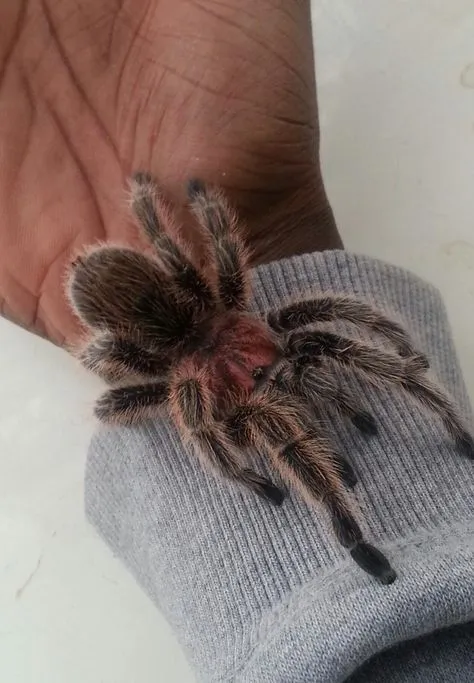
Understanding Rose Hair Tarantula Temperature & Humidity
Caring for a Rose Hair Tarantula, or Grammostola rosea, involves carefully managing its environment to ensure its health and well-being. Two of the most critical factors are temperature and humidity. These elements play a vital role in the tarantula’s metabolism, molting process, and overall comfort. Understanding the specific requirements for each is crucial for any tarantula owner. Failing to provide the correct conditions can lead to serious health issues, including dehydration, respiratory problems, and even death. This guide provides essential insights into maintaining the perfect temperature and humidity levels for your Rose Hair Tarantula.
Ideal Temperature Range for Rose Hair Tarantulas
Rose Hair Tarantulas thrive in a relatively moderate temperature range. Generally, the ideal temperature for these tarantulas is between 75°F and 85°F (24°C and 29°C). While they can tolerate slightly cooler temperatures, it’s best to avoid extremes. Consistent exposure to temperatures below 70°F (21°C) can slow down their metabolism, reduce their appetite, and make them less active. Conversely, temperatures above 90°F (32°C) can be dangerous, potentially leading to dehydration and heat stress. It’s important to remember that a steady temperature is more important than a fluctuating one, so aim for a consistent range within the ideal parameters.
Why Temperature Matters for Rose Hair Tarantulas

Temperature directly impacts a tarantula’s metabolism, digestion, and activity levels. In the wild, tarantulas are ectothermic, meaning they rely on external heat sources to regulate their body temperature. In captivity, providing the correct temperature ensures that the tarantula can properly digest its food, stay active, and maintain a healthy appetite. When temperatures are too low, the tarantula may refuse to eat or become lethargic. High temperatures can lead to dehydration and heat stress, compromising the tarantula’s health. Therefore, maintaining the right temperature is paramount for a happy and healthy Rose Hair Tarantula. A thermometer is necessary to monitor the temperature. (Image: rose-hair-tarantula-temperature-gauge.webp)
Maintaining Optimal Temperature
Several methods can be used to maintain the ideal temperature for your Rose Hair Tarantula. A common approach is to use a heat mat placed on the side of the enclosure, never underneath. This allows for a temperature gradient, where the tarantula can move to warmer or cooler areas as needed. Avoid using heat lamps, as they can overheat the enclosure and dry out the air. Monitor the temperature regularly using a reliable thermometer, placing it inside the enclosure where it can accurately measure the temperature. Adjust the heat source as needed to maintain the desired temperature range. Ensuring consistent temperature is key to the tarantula’s well-being. (Image: rose-hair-tarantula-enclosure.webp)
Humidity Requirements for Rose Hair Tarantulas
Humidity is another critical factor in caring for Rose Hair Tarantulas. Unlike temperature, which needs to be in a specific range, Rose Hair Tarantulas can tolerate a range of humidity levels. However, this range should be carefully managed. Proper humidity is vital for the tarantula’s hydration and successful molting. Insufficient humidity can lead to dehydration and difficulties during the molting process, while excessive humidity can lead to mold growth and other health issues. Monitoring and maintaining the right humidity balance are crucial for your tarantula’s health and happiness. (Image: rose-hair-tarantula-humidity-gauge.webp)
What is the Right Humidity for Rose Hair Tarantulas?

The ideal humidity range for Rose Hair Tarantulas typically falls between 60% and 70%. However, the exact humidity level can depend on the tarantula’s size, age, and the environmental conditions. Juvenile tarantulas may benefit from slightly higher humidity levels, while adults can tolerate slightly lower levels. Maintaining a consistent humidity level within this range is generally sufficient for their needs. The best way to know what the humidity is in your Rose Hair Tarantula enclosure is to purchase a hygrometer to measure and monitor the humidity. This will help you keep the humidity at an appropriate level.
Humidity Monitoring
Accurate humidity monitoring is essential for maintaining the ideal environment for your Rose Hair Tarantula. A hygrometer is a device specifically designed to measure humidity levels. Place the hygrometer inside the enclosure to get an accurate reading. You can find both analog and digital hygrometers. Digital hygrometers tend to be more precise and easier to read, providing accurate readings. Regularly check the hygrometer, ideally at least once a day, to ensure the humidity is within the desired range. This will help you make necessary adjustments to keep your tarantula healthy. (Image: rose-hair-tarantula-humidity-gauge.webp)
Methods for Increasing Humidity
If the humidity in your tarantula’s enclosure is too low, there are several methods you can use to increase it. The most common and effective method is to mist the enclosure with dechlorinated water. Mist the enclosure lightly, avoiding direct spraying on the tarantula. Misting should be done a few times a week, or as needed, to maintain the desired humidity levels. Another option is to add a water dish with a larger surface area. The water will evaporate, increasing the humidity in the enclosure. Another useful method is to add more substrate. Deeper layers of substrate help retain moisture and increase humidity. These methods should be sufficient to get your humidity at the proper level. (Image: rose-hair-tarantula-substrate.webp)
Substrate Choices and Their Impact
The substrate you choose for your Rose Hair Tarantula’s enclosure can significantly impact humidity levels. Substrates like coco fiber and peat moss are excellent at retaining moisture, making them ideal for increasing humidity. These substrates gradually release moisture into the air, helping to maintain a consistent humidity level. On the other hand, substrates like dry paper towels or reptile carpet offer little to no humidity retention. Always ensure the substrate is appropriate for your Rose Hair Tarantula’s needs. It should be kept damp but not waterlogged. (Image: rose-hair-tarantula-substrate.webp)
Ventilation and Humidity Control
Ventilation plays a crucial role in humidity control. Adequate ventilation helps prevent the buildup of excessive moisture and prevents mold growth. Enclosures with poor ventilation can trap moisture, leading to unhealthy conditions for your tarantula. To ensure proper ventilation, make sure the enclosure has adequate air holes or mesh, allowing for airflow. Proper ventilation works in tandem with humidity control methods, helping to maintain a balanced and healthy environment. Combine proper ventilation with your humidity control methods to maintain proper humidity. (Image: rose-hair-tarantula-ventilation.webp)
Methods for Decreasing Humidity
If the humidity in your tarantula’s enclosure is too high, it can lead to problems like mold growth and respiratory issues. Several steps can be taken to lower the humidity. Improving ventilation is crucial. Make sure the enclosure has adequate air holes or mesh, ensuring proper airflow. Reduce the frequency of misting or the amount of water in the water dish. If necessary, use a dehumidifier in the room where the enclosure is kept. Always monitor the humidity levels closely to ensure they remain within the ideal range. If the humidity is constantly too high, consider a different substrate that doesn’t retain as much moisture.
Importance of Ventilation
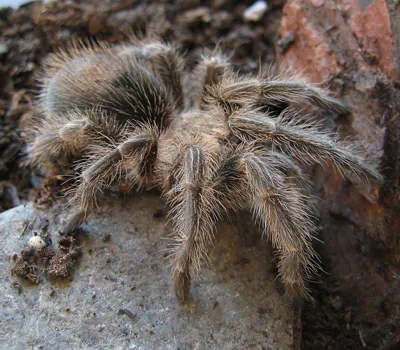
Ventilation is vital for controlling humidity. Proper ventilation allows air to circulate in the enclosure, preventing the buildup of excessive moisture. It helps to reduce the risk of mold and mildew, ensuring a healthier environment for your tarantula. Ensure your enclosure has adequate ventilation holes or mesh to allow for airflow. Proper ventilation should be a priority. Without it, you risk compromising your tarantula’s health. Ventilation is vital to a healthy environment. (Image: rose-hair-tarantula-ventilation.webp)
Avoiding Overly Humid Conditions
Overly humid conditions can be harmful to Rose Hair Tarantulas, potentially leading to health problems. To avoid this, carefully monitor the humidity levels. Ensure that the enclosure has adequate ventilation to allow air circulation. Avoid over-misting the enclosure, and reduce the size of the water dish if needed. If you live in a humid climate, you may need to take extra precautions. By monitoring and adjusting the environment, you can prevent the formation of overly humid conditions and keep your tarantula healthy and happy.
The Impact of Temperature and Humidity on Molting
Temperature and humidity play crucial roles in the molting process of Rose Hair Tarantulas. Molting is the process by which a tarantula sheds its exoskeleton to grow. The right temperature and humidity are essential for a successful molt. If the temperature is too low, the tarantula’s metabolism will slow down, potentially making it difficult to molt. Insufficient humidity can cause the exoskeleton to dry out, making it hard for the tarantula to shed its old skin. During a molt, the tarantula is very vulnerable. A sudden change in temperature or humidity can be fatal. Ensuring stable, appropriate conditions is essential for a healthy molt. (Image: rose-hair-tarantula-molting.webp)
Signs of Improper Temperature or Humidity

It’s essential to recognize the signs of improper temperature or humidity to quickly address any issues. Observing your Rose Hair Tarantula and its enclosure will help you identify any problems before they become serious. Some signs are quite obvious, and some may require closer observation. Paying attention to the details can make a difference. Being aware will assist in giving your tarantula the best life possible.
Behavioral Indicators
Behavioral changes can often indicate that the temperature or humidity is not correct. A tarantula that is consistently lethargic and inactive may be experiencing temperatures that are too low. If the tarantula spends excessive time near the water dish, it might be an indication of dehydration, which can be caused by low humidity. On the other hand, if the tarantula seems overly restless or spends a lot of time trying to escape the enclosure, it could be a sign of high humidity or temperature stress. Observing these subtle behavioral changes can offer valuable clues about your tarantula’s comfort and well-being.
Physical Indicators
Physical indicators can be more obvious signs of temperature or humidity issues. If you see a Rose Hair Tarantula in a dehydrated state, its abdomen may appear shrunken and wrinkled. Difficulties during molting, such as the tarantula being unable to fully shed its exoskeleton, are also common signs of improper humidity. In enclosures with excessive humidity, you might notice condensation on the walls, mold growth, or a musty odor. Any of these physical signs should prompt immediate investigation and corrective measures. Monitor your tarantula and enclosure regularly for any signs of issues.
Troubleshooting Common Issues
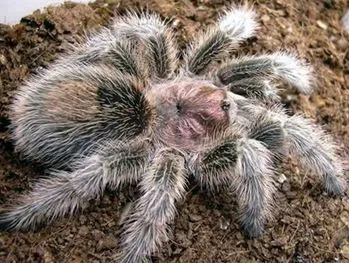
Even with careful planning, issues can still arise. However, being prepared to troubleshoot can prevent problems. Should you encounter difficulties, it is useful to take steps to ensure your tarantula is healthy and happy. Problems such as fluctuations in humidity or temperature are common, but they are solvable. With diligence, your tarantula can have a long and healthy life. The best way to troubleshoot issues is to start at the beginning, with the basics.
Choosing the Right Enclosure
The enclosure you choose can greatly impact your ability to control temperature and humidity. A well-designed enclosure provides the necessary space, ventilation, and features. The right enclosure will make your job much easier. Make sure you choose the right enclosure and set up to facilitate proper temperature and humidity. Choosing the right enclosure will make all the difference. (Image: rose-hair-tarantula-enclosure.webp)
Enclosure Size and Ventilation
The size of the enclosure and the ventilation it provides are crucial factors. The enclosure should be large enough for the tarantula to move around comfortably but not so large that it becomes difficult to maintain temperature and humidity gradients. Proper ventilation prevents the buildup of excessive moisture and allows for air circulation. The proper enclosure will allow you to control and monitor both temperature and humidity. Choosing the right enclosure size and ventilation is key. (Image: rose-hair-tarantula-enclosure.webp)
Placement of Heat and Humidity Sources
The placement of heat and humidity sources is also critical. Heat mats should be placed on the side of the enclosure to create a temperature gradient, allowing the tarantula to choose its preferred temperature. Water dishes should be easily accessible, allowing the tarantula to stay hydrated. The setup of the enclosure can greatly impact the well-being of your tarantula. Placing the heat and humidity sources carefully will have a positive impact on your tarantula. Placement is key to creating the proper environment.
Conclusion
Maintaining the correct temperature and humidity levels is essential for the health and well-being of your Rose Hair Tarantula. By understanding the ideal ranges, monitoring conditions regularly, and taking appropriate steps to adjust as needed, you can create a thriving environment for your pet. Remember that consistency and careful observation are key to providing the best possible care. Proper care will ensure your tarantula enjoys a long, healthy, and comfortable life. Your Rose Hair Tarantula will thank you for your dedication. Caring for a Rose Hair Tarantula requires attention to detail.