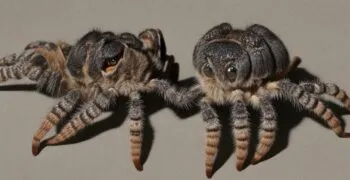
Red Tarantula Diet: Top 5 Feeding Facts!
The captivating world of red tarantulas, with their vibrant hues and intriguing behaviors, often draws the attention of many enthusiasts. One of the most crucial aspects of caring for these arachnids is understanding their dietary needs. A well-balanced diet ensures their health, promotes growth, and allows them to display their full potential in a captive environment. From the types of insects they consume to the frequency of feeding, this guide will unveil five key facts about the red tarantula diet, providing you with the knowledge to keep your eight-legged friend thriving. This information is designed to aid both novice and experienced tarantula keepers.
What Do Red Tarantulas Eat in the Wild?
In their natural habitat, red tarantulas are opportunistic predators, primarily feeding on insects and other invertebrates. Their diet is influenced by the availability of prey in their specific environment. Understanding their wild diet provides valuable insights into replicating their nutritional needs in captivity. The natural diet is diverse and changes with the seasons and prey abundance. This understanding enables the development of a feeding plan closely aligned with their biological requirements, essential for maintaining their overall health and well-being.
Common Prey in Their Natural Habitat

Common prey includes crickets, grasshoppers, beetles, and even smaller spiders. They will also consume other invertebrates like moths. Their diet depends on the ecosystem in which they live. The ability to capture these prey items relies on their predatory skills, which are finely tuned through natural selection. By knowing what they eat, you can recreate a similar diet in their enclosure. Providing a diet similar to their natural feeding habits helps ensure their health and mimics their natural behaviors.
Dietary Needs in Captivity
Replicating the red tarantula’s diet in captivity requires careful consideration. Captive diets should meet their nutritional needs and cater to their activity levels. This is an important part of tarantula care. It ensures the long-term health of these fascinating creatures. By understanding their nutritional needs, you can provide a diet that promotes their growth and well-being. This approach helps ensure your tarantula thrives.
Appropriate Insects for Feeding
Crickets are a staple, but variety is key. Other suitable insects include mealworms, dubia roaches, and superworms. It is important to choose insects that are free from pesticides and parasites to avoid any potential health problems. Always ensure the size of the prey is appropriate; generally, it should be no larger than the tarantula’s body length. Feeding a varied diet ensures that the tarantula receives a wide range of nutrients. This approach helps promote overall health and vitality, mimicking the diversity of their wild diet. Variety keeps them interested, too.
How Often to Feed Your Tarantula

The frequency of feeding varies with the tarantula’s age and size. Spiderlings require more frequent feeding, while adults can go longer between meals. Careful observation is crucial to determine their feeding needs. Adjust your feeding schedule accordingly. Overfeeding can lead to health problems. Understanding the growth stages of red tarantulas is key to the right feeding schedule. Proper feeding schedules help your tarantula have good health.
Feeding Frequency for Spiderlings and Adults
Spiderlings, the younger tarantulas, typically need to be fed every other day. This frequency supports their rapid growth and development. As they mature, the feeding schedule should be adjusted. Adult tarantulas can be fed once or twice a week, depending on their size and activity level. Always observe the tarantula’s abdomen to check for fullness. An enlarged abdomen suggests they are well-fed. Avoid overfeeding to prevent health issues. Adjustments may be needed during molting periods, when they usually refuse food.
Importance of a Balanced Diet
A balanced diet is crucial for the red tarantula’s health and longevity. Just like humans, tarantulas need a mix of nutrients to thrive. The right prey items provide the vitamins, minerals, and proteins necessary for their growth. A balanced diet supports a healthy immune system, which helps them resist illnesses. A balanced diet promotes healthy molting. A varied diet can also improve their colors. A well-balanced diet keeps these fascinating creatures healthy.
Nutritional Value of Different Prey

Different insects offer different nutritional profiles. Crickets provide a good source of protein, while mealworms offer fats. Dubia roaches are known for their excellent protein and calcium content. It’s beneficial to rotate different prey items to ensure a variety of nutrients. The nutritional value of prey is important. Supplementing your tarantula’s diet with gut-loaded insects can also increase their nutritional intake. Feeding insects the right diet before feeding the tarantula will improve their nutritional content.
Water and Hydration for Your Tarantula
Water is an essential part of the red tarantula’s diet. While they primarily get hydration from their prey, a constant supply of fresh water is necessary. Dehydration can be a serious issue. Water supports all bodily functions, helping them thrive. This is an important aspect of tarantula care. Water enables proper molting and growth.
Providing Fresh Water
Provide a shallow water dish with fresh water, regularly. The water should be changed daily or every other day. This prevents the buildup of bacteria and ensures your tarantula has access to clean water. Ensure the water dish is shallow to prevent the tarantula from drowning. Some keepers also use a water-soaked cotton ball, though this needs frequent changing. Regularly cleaning the water dish and the enclosure helps keep the tarantula healthy. Constant access to clean water is a non-negotiable part of tarantula care.
Signs of Dehydration

Dehydration can be fatal to red tarantulas. Signs of dehydration include a wrinkled or shrunken abdomen. Lethargy and loss of appetite may also indicate dehydration. If you notice these signs, immediately increase the humidity in the enclosure and ensure your tarantula has access to fresh water. Offering the tarantula water from a syringe can help to rehydrate the tarantula. Prompt action is crucial. A dehydrated tarantula is at risk. A hydrated tarantula thrives.
Avoiding Common Feeding Mistakes
There are common mistakes that tarantula keepers should avoid. These mistakes can harm the tarantula. Being aware of these pitfalls allows owners to provide the best possible care. From overfeeding to the use of unsafe prey, knowing what to avoid is as important as knowing what to do. By understanding these mistakes, you ensure that your red tarantula stays healthy.
Overfeeding vs. Underfeeding
Overfeeding is a common mistake that can lead to a variety of health issues, including obesity and potential molting problems. An overfed tarantula may struggle during molting, which could lead to complications. On the other hand, underfeeding can lead to slower growth and a weakened immune system. The trick is to find a balance that meets their needs. Observing your tarantula and understanding its appetite and growth rate are key to striking this balance. This approach prevents potential health issues. Correct feeding is important for their health.
Handling Live Prey Safely

When handling live prey, it’s important to be cautious. Always remove uneaten prey within 24 hours to prevent them from stressing or even harming the tarantula. Crickets, for example, can bite and injure a molting or defenseless tarantula. Carefully monitor feeding sessions to ensure the tarantula eats all the prey. Select the appropriate size prey to avoid any possible injury. If you are using crickets, try to remove their jumping legs to prevent any harm to your tarantula. Always prioritize the safety of both the prey and the tarantula.
Conclusion
Providing the right diet for your red tarantula is essential for its health, happiness, and overall well-being. By understanding their dietary needs, recognizing the signs of dehydration, and avoiding common mistakes, you can create a thriving environment for your tarantula. This guide has provided you with the top five facts. With this knowledge, you can ensure your red tarantula enjoys a long and healthy life. Remember to always observe your tarantula and adapt your care as needed. By following these guidelines, you will become a responsible and successful tarantula keeper.