Understanding the Psalmopoeus Pulcher
The Psalmopoeus pulcher, often referred to as the Costa Rican Tiger Rump tarantula, is a captivating species that has gained popularity among tarantula enthusiasts. This guide provides comprehensive care instructions to ensure your Psalmopoeus pulcher thrives and lives a long, healthy life. Owning a tarantula is a unique experience and understanding its specific needs is crucial for responsible pet ownership. This species is known for its striking appearance and relatively docile temperament, making it a rewarding pet for both novice and experienced keepers. Ensuring proper care involves understanding the tarantula’s natural habitat, providing a suitable enclosure, and offering the correct diet. By following this guide, you’ll be well-equipped to create an environment where your Psalmopoeus pulcher can flourish.
What is a Psalmopoeus Pulcher?
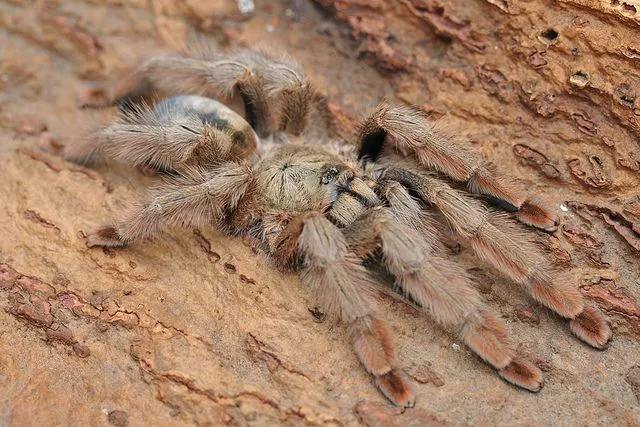
The Psalmopoeus pulcher is a species of arboreal tarantula, meaning it primarily lives in trees. They are native to the rainforests of Costa Rica, and are known for their vibrant coloration and relatively calm demeanor. They are medium-sized tarantulas, with females typically reaching a leg span of up to 6 inches. Their bodies are typically a dark brown or black color, and they have striking golden stripes on their legs and a distinctive golden patch on their abdomen, giving them a tiger-like appearance. These spiders are not overly defensive and generally prefer to retreat rather than attack when threatened, making them a good choice for people who enjoy watching their tarantulas from outside of the enclosure. They are nocturnal hunters, and spend their days hiding in burrows or under bark, and their nights actively hunting for food. These creatures are relatively easy to care for, but do require some specific needs to ensure a happy life.
Origin and Habitat

Understanding the natural habitat of the Psalmopoeus pulcher is essential for providing the best possible care. In the wild, these tarantulas inhabit the humid, tropical rainforests of Costa Rica. They are found in trees, where they create silk retreats in the bark or crevices. These environments are characterized by high humidity, moderate temperatures, and a variety of insects for prey. Replicating these conditions in captivity is key to ensuring the tarantula’s well-being. This means providing a well-ventilated enclosure with appropriate substrate to help maintain humidity levels. Mimicking their natural environment reduces stress on the tarantula and encourages natural behaviors, such as burrowing and web-spinning. The more closely you replicate their natural environment, the better your tarantula will thrive. The specific features of the habitat play a vital role in the health and behavior of the Psalmopoeus pulcher.
Appearance and Characteristics
The Psalmopoeus pulcher is a visually stunning tarantula. Their striking appearance is one of the main reasons for their popularity among hobbyists. The carapace is typically a dark, rich brown, while the legs display bold golden stripes that make them immediately recognizable. Their abdomen also features the characteristic golden patch, contributing to their common name of ‘Tiger Rump.’ They are a medium-sized species, with females reaching a leg span of approximately 5-6 inches, making them a manageable size for many keepers. They are not only attractive, but also have relatively docile temperaments compared to other species. The combination of beauty and temperament makes them an excellent choice for both beginners and experienced tarantula keepers. Observe their behavior, such as their movement and feeding habits, to learn more about their individual personalities. The tarantula’s appearance provides a clear indicator of its health and well-being.
Setting Up Your Psalmopoeus Pulcher’s Habitat
Creating the right habitat is crucial for the health and happiness of your Psalmopoeus pulcher. A well-designed enclosure mimics their natural environment and provides the necessary space and conditions for them to thrive. This includes selecting the right enclosure, choosing appropriate substrate, and maintaining the correct temperature and humidity levels. Consider the spider’s arboreal nature, which means they need more vertical space for climbing and webbing. The overall setup should be stable, secure, and easy to maintain. The right enclosure will help your tarantula feel safe and secure. A comfortable environment will encourage healthy behavior, such as feeding and molting, and minimize stress, contributing to a longer lifespan. Always ensure the enclosure is escape-proof and designed to meet the tarantula’s specific needs.
Enclosure Size and Type

The enclosure size should be appropriate for the tarantula’s size. For juveniles, a smaller enclosure, such as a clear acrylic terrarium, is suitable. As the tarantula grows, you will need to upgrade to a larger enclosure. A good rule of thumb is to provide an enclosure that is at least twice the tarantula’s leg span in width and height. For adult Psalmopoeus pulcher, a terrarium measuring approximately 12x12x18 inches or larger is ideal. Ensure the enclosure has good ventilation, which is essential to prevent mold and mildew growth. Consider a front-opening enclosure for easier access and maintenance. Always make sure that the lid is secure to prevent escapes. The material of the enclosure is also important; clear acrylic or glass allows for easy viewing and observation of the tarantula. Select the right size enclosure to give them plenty of space to move around and build their webs.
Substrate Selection
Choosing the right substrate is crucial for maintaining humidity and providing a comfortable environment for your Psalmopoeus pulcher. A good substrate should retain moisture without becoming waterlogged, and provide a surface for the tarantula to grip and burrow. A mixture of substrate is often recommended. Suitable options include coconut fiber (coco coir), peat moss, and a small amount of vermiculite. These materials naturally retain moisture, helping to maintain the humidity levels the tarantula needs. Avoid substrates that are dusty, abrasive, or treated with chemicals. Provide a substrate layer of about 2-4 inches deep to allow the tarantula to burrow if it chooses. Regularly monitor the substrate for cleanliness and replace it as needed to prevent the build-up of waste and bacteria. This helps keep the enclosure clean and hygienic for your pet. Substrate is an important factor in the enclosure setup, so choose carefully.
Temperature and Humidity
Maintaining the correct temperature and humidity levels is critical for the health of your Psalmopoeus pulcher. The ideal temperature range for this species is between 75°F and 85°F (24°C to 29°C). You can use a heat mat or a low-wattage heat lamp to maintain this temperature, especially in cooler environments. Monitor the temperature using a digital thermometer to ensure accuracy. Humidity levels should be kept between 60-70%. This can be achieved by lightly misting the enclosure with dechlorinated water a few times a week. Proper ventilation is also important to prevent the build-up of mold. Use a hygrometer to monitor the humidity levels regularly. Ensure there is good air circulation, but avoid drafts. By carefully managing these environmental factors, you can help ensure the health and well-being of your Psalmopoeus pulcher. The key is to provide the ideal conditions for your tarantula to thrive.
Providing Hides and Decorations

Providing hides and decorations enhances the enclosure and helps your Psalmopoeus pulcher feel safe and secure. Tarantulas are naturally shy creatures, and they need a place to retreat to when they feel threatened or want to rest. Artificial hides, such as cork bark, half logs, or commercially available tarantula hides, are excellent choices. These provide a dark, enclosed space where the tarantula can feel secure. Place the hide in a position where the tarantula can easily access it. Adding other decorations can enhance the aesthetic appeal of the enclosure and give the tarantula enrichment. You can include live or artificial plants, branches, and other naturalistic elements. Make sure any decorations are non-toxic and won’t harm the tarantula. Secure any decorations to prevent them from falling and potentially injuring the tarantula. The goal is to create a naturalistic environment that meets the tarantula’s needs and helps it feel comfortable. Provide multiple options for hiding and climbing to encourage natural behaviors.
Feeding Your Psalmopoeus Pulcher
Proper feeding is essential for the health and growth of your Psalmopoeus pulcher. Providing the right type of food, feeding frequency, and ensuring access to clean water are all critical aspects of tarantula care. Understanding the nutritional needs of this species will help you create a feeding plan that supports their well-being. Always observe your tarantula’s feeding habits and adjust your approach as needed. A well-fed tarantula is a happy and healthy tarantula, and it is important to avoid overfeeding. With the right approach, your tarantula will receive proper nourishment and live a long and fulfilling life. Understanding the feeding process can prevent potential issues, and ensure that your pet is thriving. The feeding schedule is also important; create a consistent routine to keep your tarantula happy and healthy.
Appropriate Food Items
The primary food source for Psalmopoeus pulcher should consist of insects. Crickets, roaches, and mealworms are common and readily available options. The size of the prey should be appropriate for the tarantula’s size. As a general rule, the prey should be no larger than the tarantula’s abdomen. Offer a variety of insects to ensure a balanced diet. You can also supplement with other insects, such as waxworms or superworms, as occasional treats. Avoid feeding wild-caught insects, as they may carry parasites or pesticides that could harm your tarantula. Before feeding, it is recommended to dust the insects with a calcium and vitamin supplement to provide extra nutrients. Feed a varied diet to meet the nutritional needs of your Psalmopoeus pulcher. Provide a diverse diet to keep them healthy and happy. The insects that you feed should always be from a trusted source.
Feeding Frequency

The feeding frequency depends on the tarantula’s age and size. For juvenile tarantulas, it is generally recommended to feed them 2-3 times a week. As they grow, the frequency can be adjusted. Adult Psalmopoeus pulcher can typically be fed once a week, or even less frequently, depending on their appetite. Observe your tarantula’s feeding habits to determine the right feeding schedule. If the tarantula consistently refuses food, it might be preparing to molt. If the tarantula has a full abdomen, it might not be hungry. Remove any uneaten prey within 24 hours to prevent stress and the risk of injury to the tarantula. Keep a log of your tarantula’s feeding schedule to monitor any changes in appetite or behavior. Adjust your feeding schedule accordingly. Maintain a routine and observe your pet’s habits.
Water and Hydration
Providing fresh water is essential for your Psalmopoeus pulcher’s health. They need access to water for drinking and maintaining their body’s functions. Use a shallow water dish, such as a bottle cap or a commercially available water dish designed for tarantulas. Ensure the water dish is shallow to prevent the tarantula from drowning. Keep the water clean and change it regularly, at least twice a week, to prevent the growth of bacteria. In addition to the water dish, you can also mist the enclosure lightly with dechlorinated water to help maintain humidity. Do not over-mist the enclosure, as this can lead to mold and mildew. The water you provide must be safe and clean. Make sure that there is no risk of them drowning in the water dish, and that it is easily accessible. Proper hydration is a key aspect of tarantula care.
Maintaining Optimal Conditions
Maintaining optimal conditions involves regularly cleaning and maintaining the enclosure and understanding how to safely interact with your tarantula. Regular cleaning ensures a healthy environment for your tarantula, preventing the build-up of waste and harmful bacteria. Safe handling practices are essential for both your safety and the tarantula’s well-being. Observing these practices will promote a long and healthy life. Regular monitoring and care are key components of good tarantula care. A clean enclosure and safe handling practices are a must. Proper care will create a positive environment for your tarantula.
Cleaning and Maintenance

Regular cleaning and maintenance are essential to keeping your Psalmopoeus pulcher’s enclosure hygienic and healthy. Spot-clean the enclosure at least once a week by removing any uneaten prey, molted skins, and any visible waste. Replace the substrate partially or completely every few months, depending on the enclosure size and the amount of waste. When cleaning, wear gloves and wash your hands thoroughly afterward. Be careful not to disturb the tarantula too much during cleaning. Avoid using harsh chemicals or cleaners, as these can be harmful to the tarantula. Use a mild, pet-safe disinfectant if needed. Regularly check and replace the water dish and monitor the humidity and temperature levels. A clean environment is key to preventing disease and promoting the tarantula’s well-being. Maintain a cleaning schedule to create a healthy habitat.
Handling and Interaction
While Psalmopoeus pulcher are generally docile, it is best to handle them with caution. Handling tarantulas is generally not recommended, as it can stress the tarantula and increase the risk of accidental bites or injury. If you must handle your tarantula, do so only when necessary, such as during enclosure maintenance or to move the tarantula. Handle the tarantula over a soft surface, such as a bed or a carpet, in case it falls. Avoid sudden movements and be gentle. Never handle a tarantula if you are nervous or unsure, as this can make them more likely to bite. Always wash your hands thoroughly before and after handling. Observe the tarantula’s behavior; if it appears agitated or defensive, do not attempt to handle it. Respect the tarantula’s space and allow it to move at its own pace. Avoid handling them unnecessarily, and always be aware of your surroundings and the safety of the tarantula.
Recognizing and Addressing Common Health Issues
Knowing how to recognize and address common health issues is crucial for responsible tarantula care. By understanding the molting process, recognizing signs of parasites and diseases, and knowing what a healthy tarantula looks like, you can ensure that your Psalmopoeus pulcher remains in good health. Regular observation and a proactive approach will help you quickly identify and address any problems. Always consult with a veterinarian experienced in exotic animals if you notice any unusual behavior or symptoms. Early detection and treatment of health issues can significantly improve your tarantula’s chances of a full recovery. Regular observation and proactive measures are key to their health.
Molting Process

Molting is a natural process in which tarantulas shed their exoskeletons to grow. The frequency of molting depends on the tarantula’s age and growth rate. Juvenile tarantulas molt more frequently than adults. Before molting, the tarantula may become less active, refuse food, and develop a darkened abdomen. The tarantula will often lie on its back during the molting process. Do not disturb the tarantula during molting. Once the molt is complete, the tarantula will be soft and vulnerable, so do not feed it for a few days until its new exoskeleton hardens. Provide extra humidity to help the tarantula during the molting process. The molting process is a sign of growth, and it is a natural process for the tarantula. Be patient and ensure the environment is right.
Parasites and Diseases
While tarantulas are generally hardy creatures, they can be susceptible to certain parasites and diseases. Some common issues include mites, fungal infections, and bacterial infections. Mites can be a nuisance, and you may notice them on the tarantula or in the enclosure. Treat mites by improving ventilation and cleaning the enclosure thoroughly. Fungal infections can be caused by high humidity and poor ventilation. Prevent fungal infections by maintaining appropriate humidity levels and providing proper ventilation. Bacterial infections can occur if the enclosure is not kept clean. Maintain good hygiene and remove uneaten prey promptly. If you notice any signs of illness, such as lethargy, loss of appetite, or unusual behavior, consult with a veterinarian experienced in exotic animals immediately. Early detection and treatment are crucial. Keep an eye out for any unusual behavior or symptoms.
Signs of a Healthy Tarantula
Knowing the signs of a healthy tarantula is essential for recognizing potential problems. A healthy Psalmopoeus pulcher will be active and alert, with a good appetite. The abdomen should be full and well-rounded, and the tarantula should have a shiny exoskeleton. The tarantula should move easily and without any signs of distress. It should have a regular feeding schedule and show normal molting behavior. The enclosure should be clean, with proper temperature and humidity levels. The tarantula’s behavior, such as feeding and molting, are indicative of its overall health. Keep track of all of these things, and if anything seems wrong, it could be a sign of something serious. If the tarantula is healthy, then it will likely live a long, fulfilling life. Regularly observe your tarantula, and keep track of its habits.
Conclusion Keeping Your Psalmopoeus Pulcher Happy
Caring for a Psalmopoeus pulcher tarantula can be a rewarding experience. By providing the correct habitat, feeding it a proper diet, and maintaining good hygiene, you can ensure that your tarantula thrives. Remember to regularly observe your tarantula, monitor its behavior, and address any potential health issues promptly. Always handle your tarantula with care and respect. Owning a tarantula is a responsibility. By providing a safe and comfortable environment, you can enjoy the beauty and fascination of this unique species. Follow this guide to provide a life of happiness for your Psalmopoeus pulcher. With the right care and attention, you can provide a happy and healthy home for your tarantula for years to come.