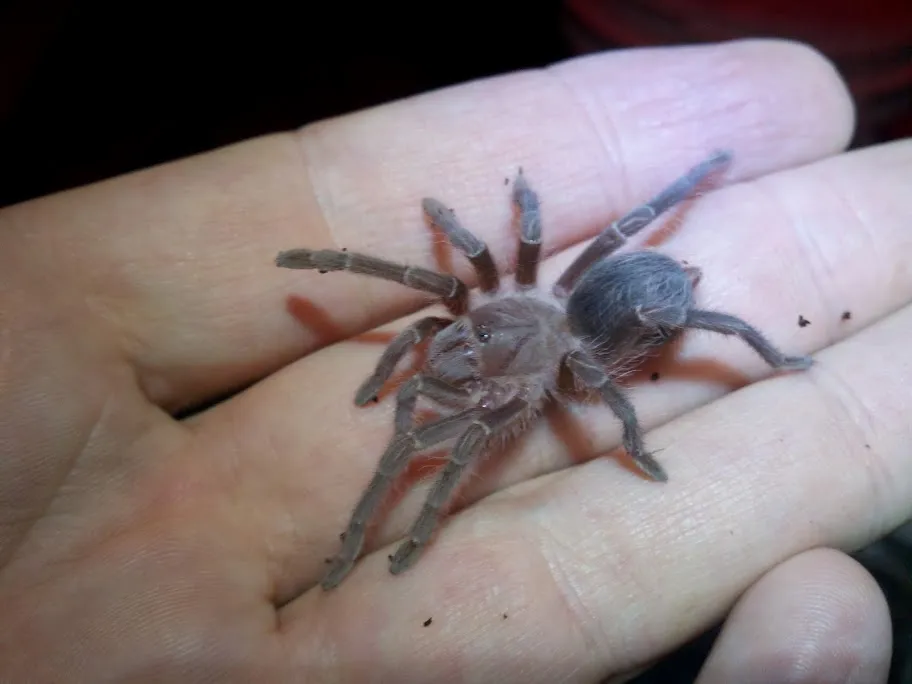
Understanding Pink Zebra Beauty Tarantula Price
The Pink Zebra Beauty Tarantula, scientifically known as Cyriocosmus elegans, is a sought-after species for tarantula enthusiasts. Understanding the factors that influence its price is crucial before you decide to bring one home. The price of a Pink Zebra Beauty can fluctuate based on several variables, from its age and size to its origin and overall health. This comprehensive guide delves into the key elements that determine the cost of these captivating creatures, providing you with the knowledge to make an informed purchase. Whether you are a seasoned hobbyist or a newcomer to the world of tarantulas, this guide will equip you with the necessary information to navigate the market and find the perfect Pink Zebra Beauty for your collection. Remember that responsible pet ownership involves not only understanding the price but also the ongoing care and commitment required for the well-being of your tarantula.
Factors Influencing Pink Zebra Beauty Tarantula Price
Several key factors play a role in determining the price of a Pink Zebra Beauty Tarantula. Recognizing these elements is vital for understanding the market and making a well-informed decision. These factors can impact the price significantly, and it is important to consider each one. The tarantula’s price isn’t just about the species but also about the quality, origin, and health of the individual tarantula. This section will break down the most significant influencers, providing you with a clear understanding of what drives the price. This insight will help you assess the value and make choices aligned with your budget and expectations as a tarantula owner.
Age and Size

Age and size are fundamental aspects influencing the price. Younger tarantulas, often referred to as spiderlings, are usually less expensive than older, more mature specimens. This is primarily because of the lower initial cost. As they grow, their value may increase, reflecting the time and resources invested in their care. Larger sizes often indicate that the tarantula has undergone several molts, a sign of healthy development. Smaller sizes often mean that it would take more time and effort for it to mature. The size of a tarantula also affects its visual appeal, with mature specimens typically displaying more vibrant colors and patterns. Consequently, you may pay a higher price for a sub-adult or adult Pink Zebra Beauty tarantula because of the guarantee of its appearance.
Coloration and Pattern
The coloration and pattern of a Pink Zebra Beauty Tarantula significantly impact its price. Specimens exhibiting vibrant, distinct colors and well-defined patterns are often considered more desirable and command higher prices. The intensity and clarity of the pink coloration, along with the contrast of black stripes, contribute to their aesthetic appeal. Variations in these traits can affect the price. Certain color morphs or unique pattern expressions may be rarer, leading to a higher market value. Careful observation of the tarantula’s appearance is essential when assessing its price, as it directly reflects the beauty of the individual tarantula.
Gender
Gender also plays a role in determining the price. Female Pink Zebra Beauty Tarantulas are generally more expensive than males. This is because females have a longer lifespan and can potentially produce offspring, making them more valuable to breeders. Male tarantulas mature faster and often have a shorter lifespan. Their primary value lies in their ability to breed. Understanding the gender of the tarantula is important for making a purchasing decision, especially for those interested in breeding or long-term companionship. When purchasing a tarantula, you should consider the gender if you’re not sure what you want. It is also important for their care to have the proper enclosure, temperature, and humidity.
Origin and Lineage

The origin and lineage of a Pink Zebra Beauty Tarantula can significantly influence its price. Tarantulas from reputable breeders who prioritize healthy genetics and proper care often cost more. Breeders with well-documented lineage are likely to provide tarantulas with desirable traits and a lower risk of health issues. Captive-bred tarantulas are generally preferred over wild-caught ones, as they are typically healthier and better adapted to captive environments. Knowing the origin of the tarantula can provide valuable insights into its overall health and potential longevity. Purchasing from a reputable breeder is an investment that may reduce long-term care costs.
Health and Condition
The health and condition of a Pink Zebra Beauty Tarantula are critical factors in determining its price. A healthy tarantula with no visible signs of illness or injury will command a higher price. Signs of a healthy tarantula include a plump abdomen, bright coloration, and active behavior. Avoid tarantulas that appear lethargic, have a shrunken abdomen, or display other signs of illness. Inspecting the tarantula’s legs and body for any mites or parasites is also important. Purchasing a healthy tarantula ensures that you are getting a quality pet that is less likely to require expensive veterinary care. Always examine the tarantula before purchasing it, to guarantee its health.
Where to Buy Pink Zebra Beauty Tarantulas
The choice of where to buy your Pink Zebra Beauty Tarantula will greatly influence the price and overall experience. Various options exist, each with its own set of advantages and disadvantages. The most common sources include online retailers, local reptile shows, and private breeders. Doing thorough research to find a reliable source is key. Consider the reputation of the seller, the health of the tarantulas, and the level of customer support. Choosing the right source ensures you obtain a healthy tarantula and receive the necessary guidance for its care.
Online Tarantula Retailers

Online retailers offer a convenient way to purchase Pink Zebra Beauty Tarantulas, providing a wide selection and easy access to different species. These retailers often have detailed descriptions and photos of their tarantulas, allowing you to assess their appearance before making a purchase. Some retailers have a wider selection than local stores. Be sure to check the retailer’s reputation and read reviews from previous customers. Also, inquire about their shipping process and any guarantees they offer regarding the health of the tarantula. Purchasing from an online retailer can be a good option if you do your research and choose a reputable seller. Make sure that the seller has a proper refund policy.
Local Reptile Shows and Expos
Local reptile shows and expos offer a unique opportunity to meet breeders and see tarantulas in person. These events provide a hands-on experience, allowing you to examine the tarantulas up close and ask questions directly to the breeders. Reptile shows offer a chance to compare prices and find a good deal. Additionally, supporting local breeders fosters the tarantula community. However, availability may vary depending on the location and the specific show. Researching the vendors beforehand can help ensure a positive experience. This helps you make an informed decision.
Private Breeders
Purchasing from private breeders can offer several advantages, including direct access to knowledgeable individuals. Private breeders specialize in breeding certain species. They can provide detailed information about the tarantula’s lineage, health, and care requirements. Often, private breeders have a passion for the species, and they are committed to the health and well-being of their tarantulas. However, it is important to do your research to ensure the breeder is reputable. Be sure to ask questions and assess the health and condition of the tarantula before purchasing. Private breeders are often an excellent source for finding healthy and well-cared-for Pink Zebra Beauty Tarantulas.
Average Pink Zebra Beauty Tarantula Prices

The average price of a Pink Zebra Beauty Tarantula can vary widely based on the factors discussed above. Generally, spiderlings (young tarantulas) may range from $20 to $50. Sub-adults or adult females, which are often more desirable due to their longer lifespan and potential for breeding, may cost upwards of $75 to $150 or more. The prices are subject to change based on current market trends, availability, and the breeder’s reputation. Rare color morphs or exceptionally well-patterned specimens may fetch even higher prices. Always compare prices from different sources, considering the size, age, gender, and overall health of the tarantula. The average prices will also include shipping costs, which may depend on the distance the seller has to ship the tarantula.
Cost of Supplies and Setup
Beyond the initial price of the tarantula, you will need to factor in the cost of supplies and setup. Creating a suitable habitat is essential for the tarantula’s health and well-being. The expenses can vary depending on the size and complexity of the enclosure, but it’s a non-negotiable part of tarantula ownership. Budgeting for these items is a must. They include an enclosure, substrate, heating and lighting, and feeding costs. Investing in the right supplies ensures that you provide a comfortable and safe environment for your Pink Zebra Beauty Tarantula.
Enclosure
The enclosure should be appropriately sized for the tarantula. A good enclosure is essential for the tarantula’s health and well-being. A clear, well-ventilated enclosure, such as a glass or acrylic terrarium, is recommended. The size of the enclosure should be adequate for the tarantula’s size, allowing for sufficient space to move around and molt. The enclosure should also have a secure lid to prevent the tarantula from escaping. The enclosure should have air ventilation. The enclosure is a fundamental aspect of tarantula ownership and will influence the care you give it.
Substrate

The substrate is the material used to cover the bottom of the enclosure, providing a suitable environment for burrowing and moisture retention. Common substrate options include coconut fiber, peat moss, and vermiculite. The choice of substrate will impact the humidity level. The substrate should be deep enough to allow the tarantula to burrow if it is a terrestrial species. The substrate should be kept clean and replaced regularly to prevent the build-up of bacteria and mold. The cost of the substrate is relatively affordable, but you will need to replace it on a regular basis. The ideal substrate is essential for creating a healthy environment.
Heating and Lighting
Maintaining the appropriate temperature and lighting is crucial for your Pink Zebra Beauty Tarantula’s well-being. Most tarantulas do well with a temperature between 75-85°F (24-29°C). Use a heat mat or a low-wattage heat lamp to achieve the desired temperature. Avoid placing the heat source directly under the enclosure, as this can overheat the tarantula. Lighting is not as essential as temperature control. A regular day-night cycle is beneficial. Using a low-wattage LED bulb to provide a natural light cycle is recommended. The cost of the heating and lighting equipment is reasonable. Always monitor the temperature with a reliable thermometer.
Food and Feeding
Feeding your Pink Zebra Beauty Tarantula is an ongoing cost, as it requires a diet of live insects. Common food options include crickets, mealworms, and roaches. The frequency of feeding depends on the age and size of the tarantula. Young spiderlings may need to be fed multiple times a week, while adults may be fed once or twice a week. Purchase insects from a reputable supplier to ensure that they are healthy and free from pesticides. The cost of food can vary depending on the type and quantity purchased. Over time, the expenses for food will accumulate. Always provide a clean water source to ensure hydration.
Long-Term Costs of Pink Zebra Beauty Tarantula Ownership

Owning a Pink Zebra Beauty Tarantula involves ongoing costs beyond the initial purchase. Anticipating these expenses will help you prepare for the responsibilities of tarantula ownership. These include ongoing expenses. You need to consider the costs of food, substrate replacement, and any potential veterinary care. Planning for these long-term costs will ensure that you can provide your tarantula with the necessary care throughout its lifespan. Long-term costs involve ensuring your pet’s overall health and well-being. Having a budget that you can manage can help you prepare for these expenses. Having a plan is essential for providing the best care possible.
In conclusion, understanding the Pink Zebra Beauty Tarantula’s price requires considering various factors, from the tarantula’s age and gender to its origin and health. Choosing a reputable breeder or retailer, researching prices, and budgeting for ongoing care will help you find a healthy, beautiful tarantula. Owning a Pink Zebra Beauty Tarantula is a rewarding experience. Enjoy the beauty and wonder of this remarkable species.