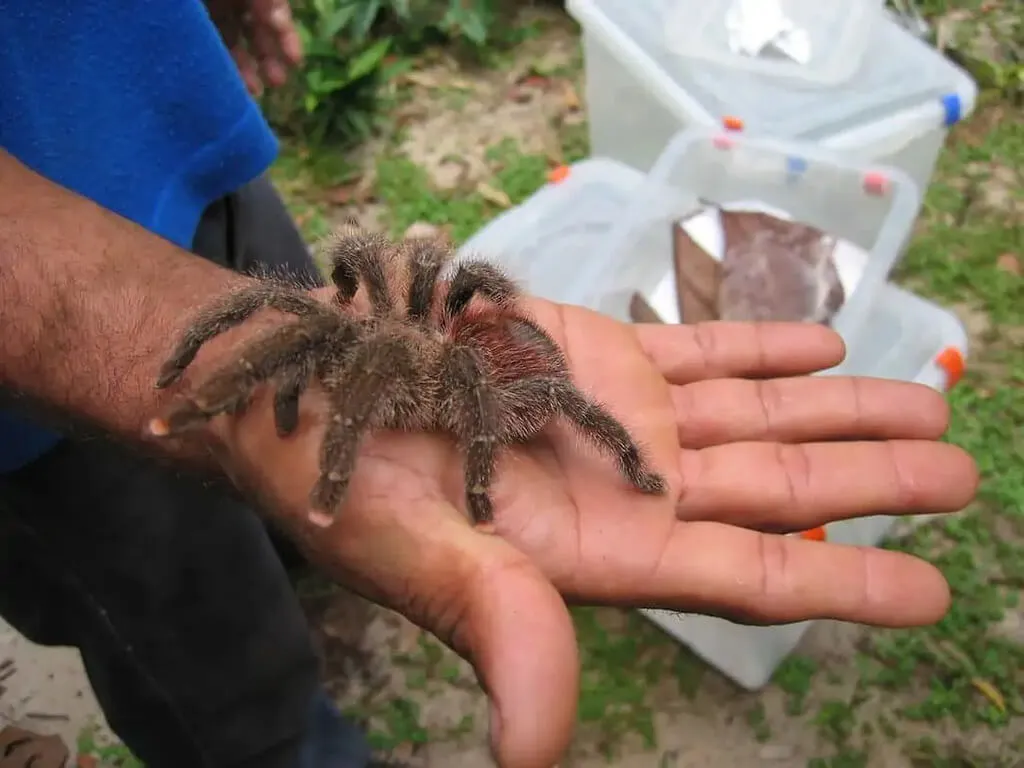
Choosing Your Pink Toe Tarantula
Embarking on the journey of pink toe tarantula care can be incredibly rewarding. These arboreal creatures, known scientifically as Avicularia avicularia, are captivating to observe and relatively manageable pets for those with a basic understanding of their needs. Before bringing a pink toe tarantula into your home, it’s essential to do your research and ensure you can provide the appropriate environment for them to thrive. This guide will walk you through everything from choosing your tarantula to understanding their specific care requirements, helping you become a responsible and knowledgeable pink toe tarantula owner.
Where to Buy
The first step in pink toe tarantula care is acquiring a healthy specimen. Reputable breeders and specialized reptile or exotic pet stores are the best places to source your tarantula. Avoid purchasing from pet stores that do not specialize in exotic animals, as they may not have the expertise to properly care for tarantulas. Always check the tarantula’s condition before buying. Look for a tarantula that is alert, has a plump abdomen (indicating it is well-fed), and displays no signs of illness or injury. Online marketplaces can be used, but carefully review the seller’s reputation and the shipping policies, prioritizing sellers who prioritize the animal’s well-being.
Health Checks

Before purchasing, examine the tarantula closely. A healthy pink toe tarantula should have all its legs, no missing hairs, and a well-rounded abdomen that is not overly shrunken or distended. Check for any signs of mites, which appear as tiny, moving dots, or other parasites. The tarantula should be responsive to stimuli, such as a gentle puff of air. Be wary of any tarantula that appears lethargic, is missing limbs, or exhibits unusual behavior. It is crucial to buy from a seller who is experienced in tarantula care to avoid potential health issues that can be difficult to treat.
Setting Up the Perfect Enclosure
Creating an ideal enclosure is paramount for the health and happiness of your pink toe tarantula. Their natural habitat is in trees, so their enclosure setup must simulate this arboreal environment. This involves carefully selecting the right size, substrate, furnishings, and maintaining appropriate temperature and humidity levels. A well-designed enclosure will not only meet the tarantula’s physical needs but also provide it with a sense of security and enrichment, which will contribute to its overall well-being.
Enclosure Size and Type
The size of the enclosure is crucial for pink toe tarantula care. A good rule of thumb is to provide an enclosure that is at least three times the tarantula’s leg span in width and height. For a juvenile, a small, clear plastic enclosure with ventilation holes is sufficient. As they grow, you’ll need to upgrade to a larger enclosure, such as a terrarium. The enclosure must have a secure lid to prevent escapes, and it is best to choose a front-opening enclosure. Make sure the enclosure provides adequate cross-ventilation to keep the air fresh and prevent mold growth. The enclosure also must be appropriate for the size and future growth of your tarantula.
Substrate and Furnishings

The substrate serves as the base of your tarantula’s enclosure and plays a crucial role in maintaining humidity. For pink toe tarantulas, a substrate that can retain moisture is essential. Suitable options include a mix of peat moss, vermiculite, and coconut fiber. The substrate should be deep enough for the tarantula to burrow slightly. Additionally, provide ample climbing opportunities, such as branches, cork bark, and artificial plants. These furnishings will mimic the arboreal environment and give your tarantula a sense of security. Ensure all decorations are non-toxic and securely placed to prevent any accidents or harm to your pet.
Temperature and Humidity
Temperature and humidity are vital components of pink toe tarantula care. Maintain a temperature range of 75-85°F (24-29°C). Heating pads placed on the side of the enclosure can provide gentle warmth. Humidity should be kept at around 70-80%. To achieve this, mist the enclosure with dechlorinated water a few times a week, but be careful not to over-saturate the substrate. Regular monitoring with a hygrometer and thermometer is essential to ensure these conditions are properly maintained. Providing a shallow water dish is also beneficial for hydration and helps maintain humidity.
Feeding Your Pink Toe Tarantula
Proper feeding is vital to the health and growth of your pink toe tarantula. They are opportunistic feeders, meaning they will eat a variety of insects. Providing a nutritious diet and maintaining the correct feeding frequency will ensure that your tarantula thrives. Be mindful of the size of the prey and the tarantula’s current life stage, as their dietary needs change as they mature.
What to Feed

Pink toe tarantulas primarily eat insects. Crickets, roaches, mealworms, and other readily available feeder insects are the staples of their diet. The insects you feed your tarantula should be gut-loaded, which means feeding them nutritious food before you feed them to your tarantula. This ensures that your tarantula receives all the necessary nutrients. The size of the insects should be appropriate for the size of your tarantula, usually not larger than the tarantula’s body length. Variety in the diet is always a good idea to ensure they receive a wide range of nutrients.
Feeding Frequency
The feeding frequency depends on the tarantula’s age and size. Spiderlings and juvenile tarantulas should be fed two to three times a week. Adult pink toe tarantulas can be fed once or twice a week. Observe your tarantula; if it refuses to eat, it may be close to molting. Remove any uneaten prey within 24 hours to prevent stress and potential harm to the tarantula. Always offer fresh water, in a shallow dish, at all times to facilitate hydration.
Water and Hydration
Providing fresh water is a critical part of pink toe tarantula care. Always have a shallow water dish available in the enclosure. The water should be dechlorinated to avoid harming your tarantula. Mist the enclosure regularly, especially during molting, to maintain adequate humidity levels. Observe your tarantula’s behavior; if it seems dehydrated, ensure there is access to water, and that the enclosure’s humidity is at an appropriate level.
Handling and Interaction

While pink toe tarantulas are fascinating to observe, handling should be minimized. They are generally docile but can be easily stressed. Understanding when and how to handle your tarantula is crucial for their well-being and your safety.
When to Handle
Handling should be kept to a minimum. Only handle your tarantula when necessary, such as when moving them to a new enclosure or cleaning their current one. Avoid handling during or shortly after a molt, as their exoskeletons are soft and vulnerable during this time. Also, avoid handling if the tarantula appears stressed, defensive, or is showing signs of being agitated.
Safe Handling Practices
If you need to handle your pink toe tarantula, do so with extreme care. Always approach the tarantula calmly and gently. Encourage the tarantula to walk onto your hand, rather than trying to grab it. Keep your movements slow and deliberate. If the tarantula becomes startled or drops, it could be injured. Always handle over a soft surface, like a bed or a carpet, to minimize the risk of injury. Wash your hands thoroughly before and after handling your tarantula.
Common Health Issues
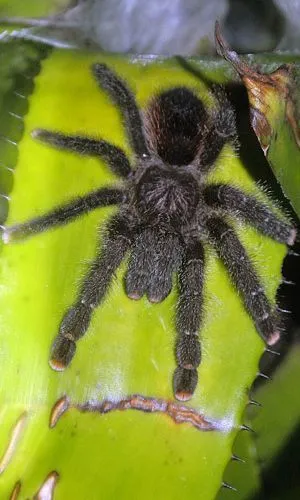
While pink toe tarantulas are relatively hardy, they can still experience health problems. Being familiar with common health issues can help you identify and address them promptly. Check for symptoms of mites or parasites, as mentioned earlier. Ensure the enclosure’s humidity and temperature are at the correct levels to prevent dehydration or other stress-related health problems. If you notice any changes in your tarantula’s behavior, such as lethargy, loss of appetite, or unusual posture, consult a veterinarian who specializes in exotic animals.
Moulting and What to Expect
Moulting is a natural process where the tarantula sheds its exoskeleton to grow. This process can be stressful, and it’s important to understand what to expect during this time. Before moulting, the tarantula may become less active and may refuse to eat. They often lay on their backs. Provide a calm and undisturbed environment and maintain high humidity levels. Once they molt, avoid disturbing them. The new exoskeleton will be soft and vulnerable, and they may not eat for a few days after. Patience and observation are key during this crucial stage.
In conclusion, caring for a pink toe tarantula is a rewarding experience. By providing the correct enclosure, diet, and handling practices, you can ensure your tarantula thrives. Always prioritize the tarantula’s well-being by providing a suitable habitat, proper nutrition, and minimizing stress. Consistent observation and a proactive approach to pink toe tarantula care will allow you to enjoy the unique characteristics of these fascinating creatures for many years to come.