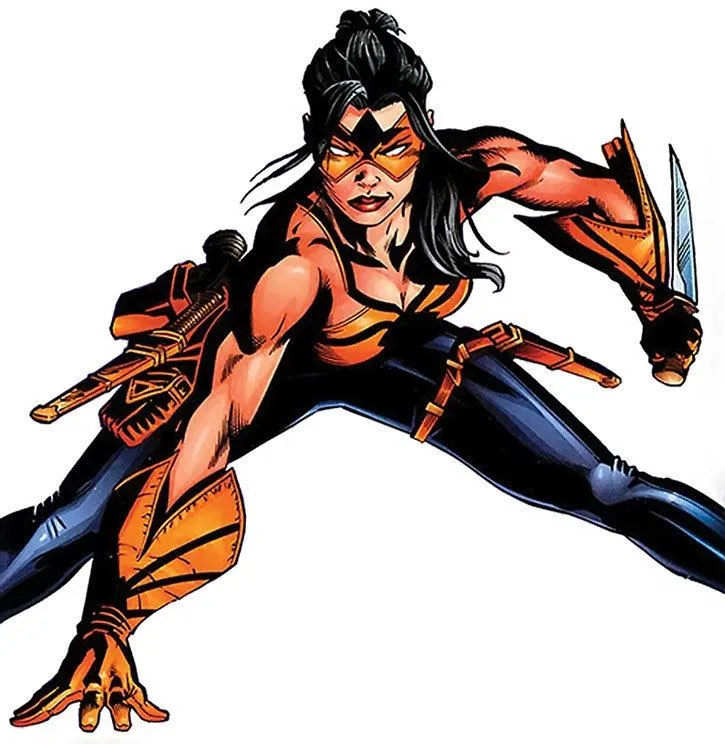
Nightwing vs Tarantula Fight Scenes Revealed
The clash between Nightwing and Tarantula is a recurring theme within the pages of DC Comics, a dramatic interplay of heroism and morally ambiguous actions. This dynamic has provided readers with some of the most visually arresting and emotionally charged fight scenes in comic book history. These confrontations are not mere displays of physical prowess but are intricate narratives, revealing layers of each character’s motivations, strengths, and vulnerabilities. The intensity of these battles is heightened by the complex relationship between Nightwing and Tarantula, which shifts from tense alliances to violent betrayals. This exploration delves into the key moments, strategies, and emotional impacts of these iconic clashes, providing a detailed analysis of what makes these fight scenes so memorable and significant in the broader DC Universe.
The First Encounter
The initial meeting between Nightwing and Tarantula often sets the stage for their complicated relationship. These first encounters are critical as they establish the initial dynamics of their interactions, showcasing their core beliefs and the tactics they employ. Usually, Nightwing, embodying the ideals of justice and heroism, approaches the situation with calculated precision, hoping to minimize harm and seek a peaceful resolution, if possible. In contrast, Tarantula, often portrayed with a more ruthless edge, might opt for a direct, aggressive approach, setting the stage for an immediate and explosive conflict. The initial encounter might involve a misunderstanding, a clash of ideologies, or a direct threat that pushes both characters into action. These early scenes typically feature carefully crafted choreography designed to introduce both characters’ fighting styles.
Initial Confrontation
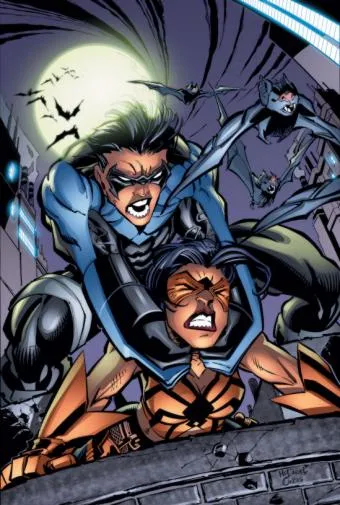
The initial moments of any fight scene are crucial. They set the tone and pace for the conflict. In a Nightwing versus Tarantula encounter, the initial confrontation often showcases the distinct fighting styles of each character. Nightwing, drawing from his training under Batman, typically favors a more strategic approach. He employs acrobatics, utilizing the environment to his advantage, and aims to outmaneuver his opponent. His moves are fluid, focused on disabling rather than outright killing. Tarantula, however, known for her brutal efficiency and willingness to cross moral boundaries, might begin with an overwhelming offensive. Her attacks are often direct and merciless, aiming to quickly gain the upper hand through sheer force and aggression. This contrast in styles immediately highlights their differences. The initial clash reveals the strengths and weaknesses of each combatant.
Nightwing’s Tactical Approach
Nightwing’s tactical approach in a fight against Tarantula is a masterclass in calculated combat. Rather than relying on brute strength, Nightwing’s strategy involves exploiting Tarantula’s weaknesses while utilizing his agility and training. He uses the environment to his advantage, leaping from rooftops, dodging attacks, and employing complex acrobatic maneuvers to confuse and disorient his foe. Nightwing frequently assesses the situation, constantly adapting his tactics based on Tarantula’s movements and reactions. This approach is not only about winning the fight but also about minimizing harm. He prioritizes disabling Tarantula rather than inflicting fatal injuries. His tactical mindset reflects his deep-seated commitment to justice and his respect for life, even when facing an adversary as formidable as Tarantula.
Analyzing Tarantula’s Fighting Style
Tarantula’s fighting style is as dangerous as it is distinctive, reflecting her character’s ruthless nature and unconventional methods. She is known for her direct, often brutal, approach to combat, focusing on swift, powerful attacks designed to overwhelm her opponents. Her fighting techniques often incorporate her enhanced strength and agility, allowing her to execute devastating strikes. Unlike Nightwing’s calculated maneuvers, Tarantula’s fighting style is characterized by its ferocity and unpredictability. She is known to utilize pressure points and grappling techniques, exploiting any weakness in her opponent’s defense. This style complements her willingness to push boundaries, making her a formidable and unpredictable adversary. Her use of weapons, particularly her signature stilettos, adds an extra layer of lethality to her attacks, underlining the constant threat she poses to Nightwing.
Close-Quarters Combat

Close-quarters combat is a critical component of the battles between Nightwing and Tarantula, where their skills are put to the ultimate test. Nightwing’s proficiency in hand-to-hand combat, honed from his rigorous training, is essential in these moments. He relies on a combination of martial arts techniques, acrobatics, and strategic counter-attacks to neutralize Tarantula’s aggression. He focuses on precise strikes and calculated moves, utilizing the environment to create openings and gain an advantage. Tarantula, on the other hand, thrives in close combat situations. Her strength and willingness to use any means necessary make her a formidable opponent. Her attacks are designed to be fast and overwhelming. The close-quarters combat reveals the raw skills of each character. These battles showcase the intense physical and mental battle as they attempt to gain the upper hand.
Mid-Fight Dialogue and Tension
Mid-fight dialogue is an essential tool in these battles, adding depth and complexity to the confrontations between Nightwing and Tarantula. The words exchanged during these clashes are not merely filler; they reveal each character’s motivations, ideologies, and emotional states. Nightwing, often the voice of reason, might attempt to de-escalate the situation through dialogue, appealing to Tarantula’s sense of justice or reminding her of their shared past, if any. Tarantula, known for her morally ambiguous nature, might respond with taunts, threats, or even manipulative comments designed to unsettle Nightwing. The dialogue contributes to the fight scenes, showcasing the ongoing psychological battle. These conversations elevate the physical conflict to a more profound exploration of character dynamics and underlying tensions.
Turning Points and Shifting Momentum
Turning points and shifts in momentum are integral parts of the dramatic storytelling in the battles between Nightwing and Tarantula. These moments can be triggered by various factors such as Nightwing’s innovative tactics, Tarantula’s unexpected maneuvers, or environmental changes. A turning point can arise when Nightwing exposes a critical weakness in Tarantula’s defense, or when Tarantula lands a particularly powerful blow that staggers Nightwing. These shifts force the characters to re-evaluate their strategies, adapt to the changing circumstances, and intensify the conflict. They also heighten the emotional stakes, as the characters grapple with their own vulnerabilities and the potential consequences of failure. These turning points are not merely plot devices; they are windows into the characters’ inner struggles, their resilience, and their determination to prevail.
The Climactic Battle

The climactic battle between Nightwing and Tarantula is often the most visually striking and emotionally charged moment of their conflicts. This final showdown typically encompasses the culmination of all prior struggles, with both characters bringing their full capabilities to bear. The choreography is often more dynamic, incorporating a wider range of moves. Nightwing, drawing upon his mastery of martial arts and acrobatic skills, might execute a series of complex maneuvers to outwit Tarantula. Tarantula, employing her full arsenal of deadly techniques and her ruthless determination, might launch a series of powerful attacks. The setting might change, adding new challenges and opportunities. The outcome of this climactic battle is usually crucial, resolving the central conflict and significantly impacting their relationship and the overall narrative arc.
Nightwing’s Victory or Defeat
The outcome of a fight between Nightwing and Tarantula, whether victory or defeat, carries significant implications for both characters. If Nightwing emerges victorious, it often signifies the triumph of his values: justice, compassion, and strategic brilliance. A win can highlight his resilience, tactical prowess, and unwavering commitment to doing what is right. Defeat for Nightwing, however, can be a humbling experience. It might expose vulnerabilities, force him to confront his limitations, and lead to introspection about his methods and choices. The outcome serves to inform the development of their characters and the wider DC narrative. It provides insight into the nature of their relationship and the dynamics that drive their interactions.
Aftermath and Consequences
The aftermath of any fight between Nightwing and Tarantula is a critical period of reflection and consequence. The immediate aftermath often involves assessing the damage, both physical and emotional, from the clash. The consequences extend beyond the physical realm, influencing their relationship, their personal development, and their roles within the DC Universe. The events shape their future interactions and can set the stage for new conflicts or uneasy alliances. This period provides opportunities to explore the lasting impact of their choices and actions, leading to moments of reconciliation. The aftermath also can highlight the values that drive their actions.
Impact on Their Relationship

The fight scenes have a deep impact on Nightwing and Tarantula’s relationship. Their interactions, ranging from tense standoffs to brutal confrontations, continually reshape the nature of their bond. Every encounter leaves a mark, influencing their trust, respect, and mutual understanding. The outcome of a fight can solidify alliances, exacerbate tensions, or create unexpected shifts in their dynamics. For example, if Nightwing saves Tarantula’s life during a battle, it could foster a sense of indebtedness or a grudging respect, while a betrayal can deepen their rivalry and mistrust. These events often serve to complicate their interactions. The ebb and flow of their relationship, fueled by conflict and the consequences of their actions, provides readers with a compelling and unpredictable narrative. This complex interplay of emotions and allegiances is a key element of their shared history.
Emotional Fallout for Nightwing
The emotional fallout for Nightwing after a fight with Tarantula can be intense, reflecting his compassionate nature and moral code. Nightwing often grapples with the ethical implications of violence. If Nightwing inflicts significant harm, even in self-defense, he may experience guilt, self-doubt, and a sense of responsibility. Facing Tarantula also forces Nightwing to confront his own capacity for violence. The aftermath is marked by internal conflict, as he struggles to reconcile his duty with his commitment to minimizing harm. This emotional turmoil often leads to self-reflection, as Nightwing reevaluates his strategies and considers his actions. It deepens his character development, adding layers of complexity to his persona and strengthening his resolve to uphold his values.
Tarantula’s Reaction and Future
Tarantula’s reaction and future trajectory after a fight with Nightwing are often shaped by her complex personality and her often-ambiguous moral alignment. If she is defeated, she may experience a surge of anger, frustration, or a determination to improve her skills and seek revenge. Her reaction can also vary depending on her motivations. Her future is full of possibilities. She might choose to retreat, regroup, and plan her next move, or she could escalate her actions. These decisions often depend on the specific circumstances of the fight and her overall goals. These encounters offer insight into Tarantula’s character, her motivations, and the choices she makes. They help to set the stage for future conflicts and contribute to the ongoing narrative.
Fight Scene Analysis
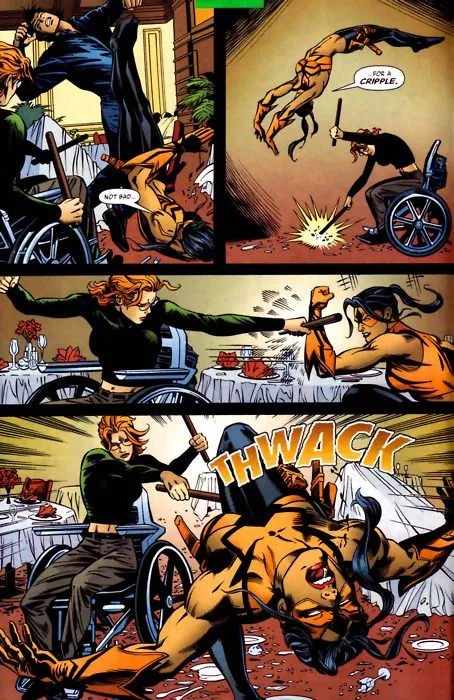
Analyzing the fight scenes between Nightwing and Tarantula provides a deeper understanding of the artistic and narrative choices that make these encounters so compelling. The choreography, the visual storytelling, and the thematic elements all work together to create a rich and engaging experience. The examination of these components reveals how the artists and writers use the fights to build character, explore complex themes, and advance the plot. The analysis provides a more comprehensive appreciation for the craftsmanship involved in creating these dynamic and emotionally charged scenes.
Choreography and Style
The choreography and style of these fights are essential in portraying the characters’ skills and personalities. Nightwing’s fights are often marked by fluid movements, acrobatics, and a strategic use of the environment, mirroring his background in gymnastics and his methodical approach. His moves are designed to be efficient, minimizing the risk to himself and causing minimal harm to his opponent. Tarantula’s fighting style stands in stark contrast, emphasizing brutal efficiency and overwhelming force. The artist uses sharp, dynamic lines and intense angles to convey the power and aggressiveness of her attacks. The style contributes to the overall impact of the fight, enhancing the tension and drawing the reader into the action. Each panel is carefully constructed to highlight the key moments.
Key Moves and Techniques
The key moves and techniques employed during these fights are carefully chosen to highlight the unique abilities of Nightwing and Tarantula. Nightwing’s moves often showcase his agility and precision, using flips, kicks, and hand-to-hand combat to disarm and disable his opponent. He uses his escrima sticks to create distance, deliver strategic strikes, and block attacks. Tarantula’s techniques emphasize her raw power and ruthlessness. She uses her enhanced strength to deliver crushing blows. The use of specific moves and techniques provides insight into their training, their skills, and their character. The artists and writers choose each move to heighten the drama and enhance the storytelling.
Environmental Factors and Their Role
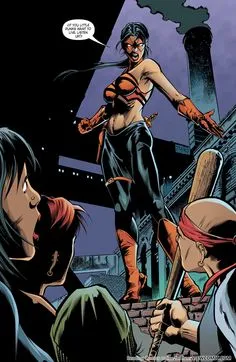
The environment plays a crucial role in these fight scenes, often serving as a dynamic element. The setting itself—whether it be a rooftop, a warehouse, or a bustling city street—influences the combatants’ strategies and tactics. Nightwing, with his acrobatic skills and tactical mind, often exploits the surroundings to his advantage. He might use the environment to evade attacks, launch surprise assaults, or gain a strategic edge. The environment contributes to the overall narrative. It enhances the visual impact of the fight scenes and adds layers of complexity to the characters’ interactions. The environment can become a character in itself, shaping the outcome of the conflicts.
Artistic and Narrative Choices
The artistic and narrative choices made by the creators play a vital role in shaping the impact of the fight scenes between Nightwing and Tarantula. Every decision, from the panel layouts to the dialogue, is made to enhance the storytelling and the emotional resonance of the encounters. The use of dynamic angles, close-ups, and wide shots serves to emphasize the action and convey the characters’ emotions. The narrative choices, such as the pacing of the story, the dialogue, and the character interactions, are equally crucial. These artistic and narrative choices work together to create compelling visual storytelling.
Visual Storytelling in the Fight Scenes
Visual storytelling is a core component of comic book fight scenes, where the artwork conveys the action, the emotion, and the character dynamics. The artists use dynamic panel layouts, expressive character designs, and detailed action sequences to bring the fight scenes to life. The use of perspective, angles, and shading helps to create a sense of movement, impact, and depth. The visual storytelling is enhanced by the use of sound effects, which add a layer of realism and intensity to the scenes. The artists use these techniques to show the narrative.
Thematic Resonance and Symbolism

The fight scenes between Nightwing and Tarantula are infused with thematic resonance and symbolism, which enhances their depth and significance. The clashes often reflect broader themes, such as justice versus vengeance, order versus chaos, and the complexities of moral choices. Nightwing, as a hero, embodies justice. The struggles between Nightwing and Tarantula can symbolize their individual conflicts. The symbolism is often subtle, requiring the reader to look beyond the surface level of the action. The writers and artists use the fight scenes to explore deeper concepts, making the encounters more profound and memorable. Thematic resonance and symbolism contribute to the emotional impact of the fight scenes and leave a lasting impression.
Impact on the Overall Story
The fight scenes between Nightwing and Tarantula have a lasting impact on the broader narrative of the DC Universe. These encounters are often crucial to character development, plot progression, and the establishment of alliances or conflicts. The outcomes of these battles often shape the future of the characters involved, influencing their relationships and their roles within the superhero world. The fight scenes serve to move the plot forward, revealing hidden aspects of the characters’ pasts and paving the way for future conflicts. The impact on the overall story goes beyond the immediate consequences, rippling outwards to affect other characters, teams, and storylines.